
RDM Example Project on Windows
The following guide shows you how to install and run the latest RDM example project on Windows. The example project provides a preconfigured environment for working through RDM tutorials.
For macOS instructions, see RDM Example Project on macOS.
| Using Docker images to run the example project is available only from 16.3.1. |
Step 1: Download PostgreSQL and Keycloak
-
Using plugins
-
Using Docker images
Use PostgreSQL and Keycloak plugins to easily deploy the services needed for the RDM example project.
|
The plugins are intended for demonstration purposes only and are not meant for production environments. By using these, you are accepting Keycloak and PostgreSQL licenses. Keep in mind that the third-party software used in the plugins might not be up-to-date and might therefore pose a security risk. |
Download MDM and RDM Example Project Plugins from the Support Service Desk.
Use PostgreSQL and Keycloak Docker images to easily deploy the services needed for the RDM example project.
|
The Docker images are intended for demonstration purposes only and are not meant for production environments. By using these, you are accepting Keycloak and PostgreSQL licenses. Keep in mind that the third-party software used in the Docker images might not be up-to-date and might therefore pose a security risk. |
Download MDM and RDM Example Project Plugins from the Support Service Desk.
Step 2: Download and extract builds
-
Using plugins
-
Using Docker images
Download the corresponding build packages of RDM and ONE Desktop from the Support Service Desk.
=== Extract packages
-
Unpack ONE Desktop.
-
In the ONE Desktop folder, create the following folders:
-
rdm -
keycloak -
pgsql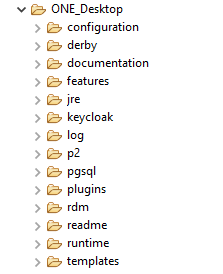
-
-
Extract the downloaded packages to these folders:
-
rdm-assembly-xxxxx.ziptordm -
keycloak-x.x.x-x-demo.ziptokeycloak -
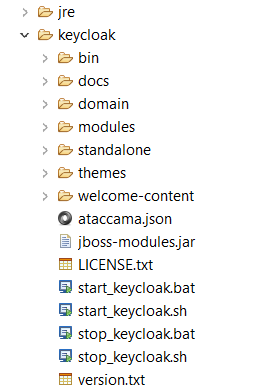
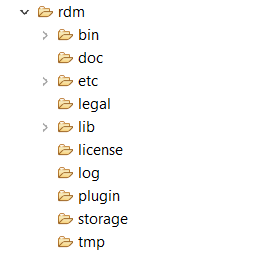
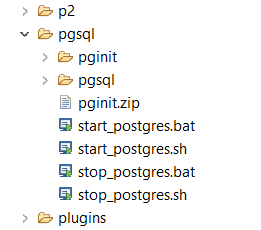
pgsql-xxx.ziptopgsqlYour folder structure should now look like this. This ensures the scripts in the example project Files > bin work without issues.
Click to view folder structure
-
Instead of downloading pgsql and keycloak zip, download PostgreSQL initialization package from macOS section and unpack it.
Step 3: Configure RDM
-
Navigate to
rdm/etcand openapplication.properties. This is the main file for RDM configuration. Define the license path, save, and exit.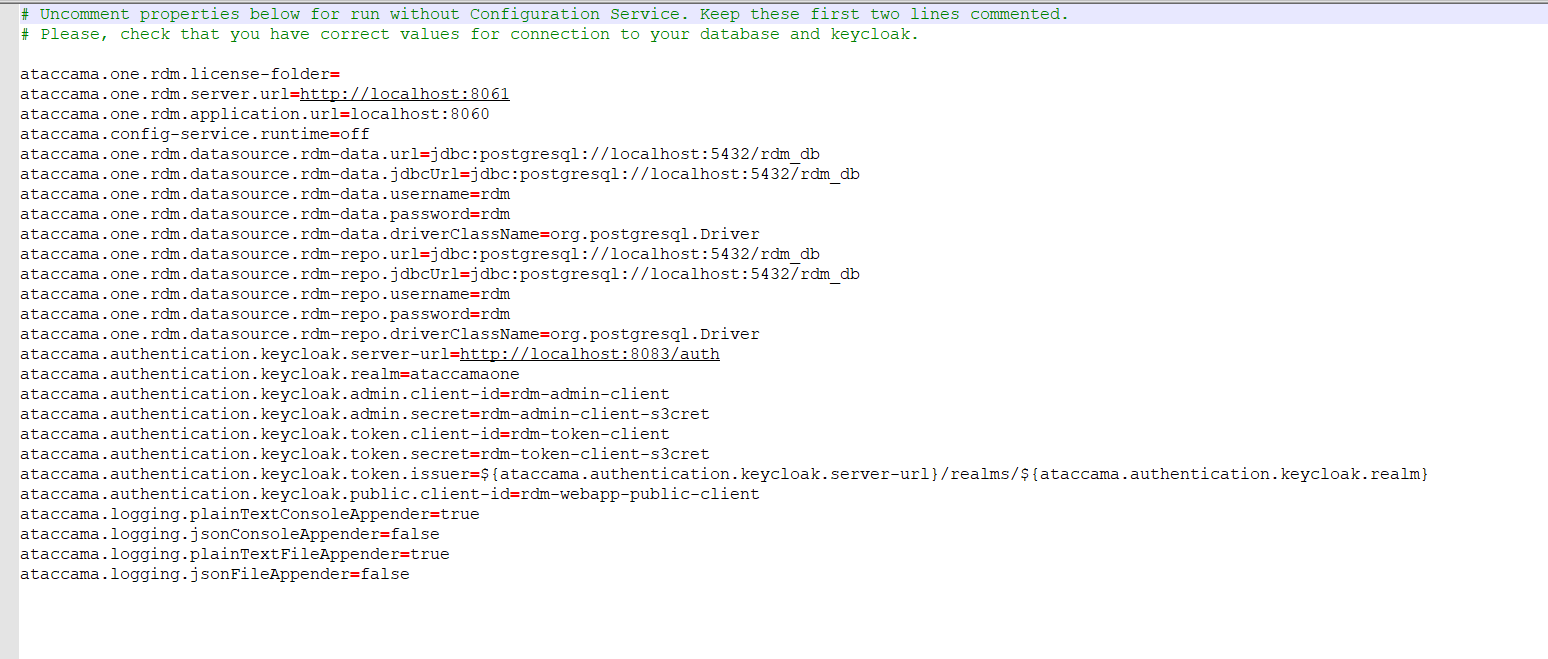
Step 4: Start the example project
-
Using plugins
-
Using Docker images
|
If you are preparing a project for Ataccama Cloud and you need to add new server or runtime configuration, you need to switch from the default configuration to a For more information, see deployment-guide:rdm-project-runtime-configurations.adoc. |
-
Start ONE Desktop.
For detailed instructions, see Install ONE Desktop. -
When prompted to select your workspace, keep the default location. For the example to run, the
workspacefolder must be located in the ONE Desktop installation folder.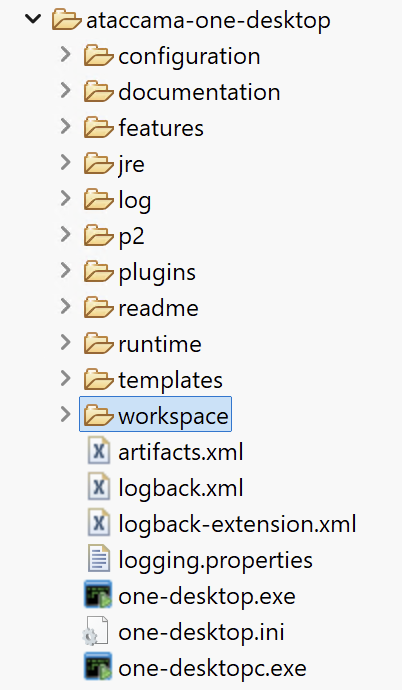
-
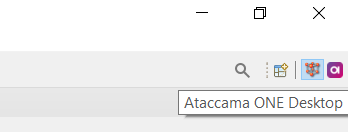
Select the ONE Desktop perspective.
-
In the Model Explorer, select New and then Model Project.
-
In Use template, select
Reference Data Manager - Banking Example. -
Once the project loads in the Model Explorer, navigate to
Files/bin.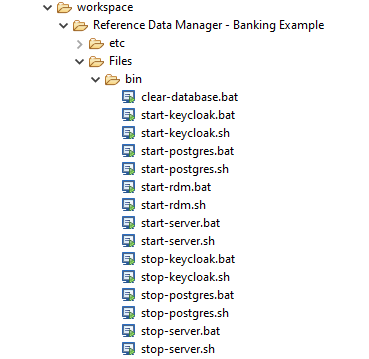
-
Start Keycloak and PostgreSQL:
-
Double-click
start-keycloak.bat. Keycloak is ready once the following message appears:Keycloak ... started in <number> s. Listening on: \http://0.0.0.0:8083 -
Double-click
start-postgres.bat. The database must be running before you execute the server script in the following step.
-
-
Start RDM:
-
Double-click
start-server.bat. The RDM Server is ready once the following message appears:Started ... in <number> secondsKeep the prompt windows running until you are done working with the example project. See Step 5: Stop the example project. -
Double-click
start-rdm.bat. The RDM Web Application is ready once the following message appears:Started ... in <number> seconds
-
-
Once everything starts, open one of the following in your browser:
-
http://localhost:8060— RDM Web Application -
http://localhost:8060/admin— RDM Admin Console
-
-
Log in with the following credentials:
-
Username:
admin -
Password:
admin
-
-
To access the RDM Online Server Web Console, open
http://localhost:8061in your browser. There you can find the following information:-
http://localhost:8888/console/applications/— Available online services -
http://localhost:8888/console/wfConfigs/— Configured workflows -
http://localhost:8888/console/scheduler/— Defined schedulers
-
Start RDM and ONE Desktop same as in Plugins section but do not start Keycloak and Postgres plugins.
Instead of it load and run the Keycloak and PostgreSQL Docker containers.
-
Navigate to the folder where you downloaded the Docker images and load them into your local Docker image store:
docker load -i kcWin.tar
docker load -i pg17Win.tar
If loading was successful, the following output appears:
Loaded image: harbor.ataccama.dev/one/keycloak:26.6.1-1 Loaded image: postgres:17 -
Run the PostgreSQL container:
docker run -d --name pg \
  -p 5432:5432 \
  -e POSTGRES_PASSWORD=Testtest1 \
  -v "path/to/downloaded-pg-init/pginit:/docker-entrypoint-initdb.d" \
  postgres:17
Replace
path/to/downloaded-pg-initwith the absolute path to your folder with downloaded package.If the command was successful, the container ID is returned in response.
-
Run the Keycloak container:
docker run -d --name kc \ -p 8083:8080 \ -e KC_CLIENTS_REDIRECT_URIS_WILDCARDED=true \ -e KC_CLIENTS_WEB_ORIGINS_WILDCARDED=true \ -e KC_TEST_USERS_INCLUDED=true \ -e KC_SSL_REQUIRED=NONE \ harbor.ataccama.dev/one/keycloak:26.6.1-1 \ start --db=dev-file -
Verify that both containers are running:
docker psThe expected output is as follows:
CONTAINER ID   IMAGE                                            CREATED              STATUS                PORTS                                       NAMES
6bcffaf2c5e2   harbor.ataccama.dev/one/keycloak:26.6.1-1       10 seconds ago       Up 10 seconds         0.0.0.0:8083->8080/tcp                      kc
a3c16a14aecc   postgres:17                                      About a minute ago   Up About a minute     0.0.0.0:5432->5432/tcp                      pg
Configure resources (optional)
For additional work on configuration, in the File Explorer perspective, define the following resources:
-
Database resource called
rdm_dbwith attributes:-
Host:
localhost -
Port:
5432 -
Database name:
rdm -
Username:
rdm -
Password:
rdm
-
-
Server resource called
rdmappwith attributes:-
URL:
http://localhost:8060/admin -
User:
admin -
Password:
admin
-
-
Server resource called
serverwith attribute:-
URL:
http://localhost:8061
-
|
If you want to view logs related to the example project, the default logging file path is defined using the |
Step 5: Stop the example project
When you are finished working with the RDM example project:
-
Using plugins
-
Using Docker images
-
Stop the RDM Server and Web Application by closing their prompt windows.
-
To stop Keycloak and PostgreSQL, navigate to the
Files/binfolder in the Model Explorer:-
Stop PostgreSQL by double-clicking
stop-postgres.bat. -
Stop Keycloak by double-clicking
stop-keycloak.bat.
-
-
Stop the Docker containers by running:
docker stop kc
docker stop pg
Was this page useful?